Which stage has actually failed?
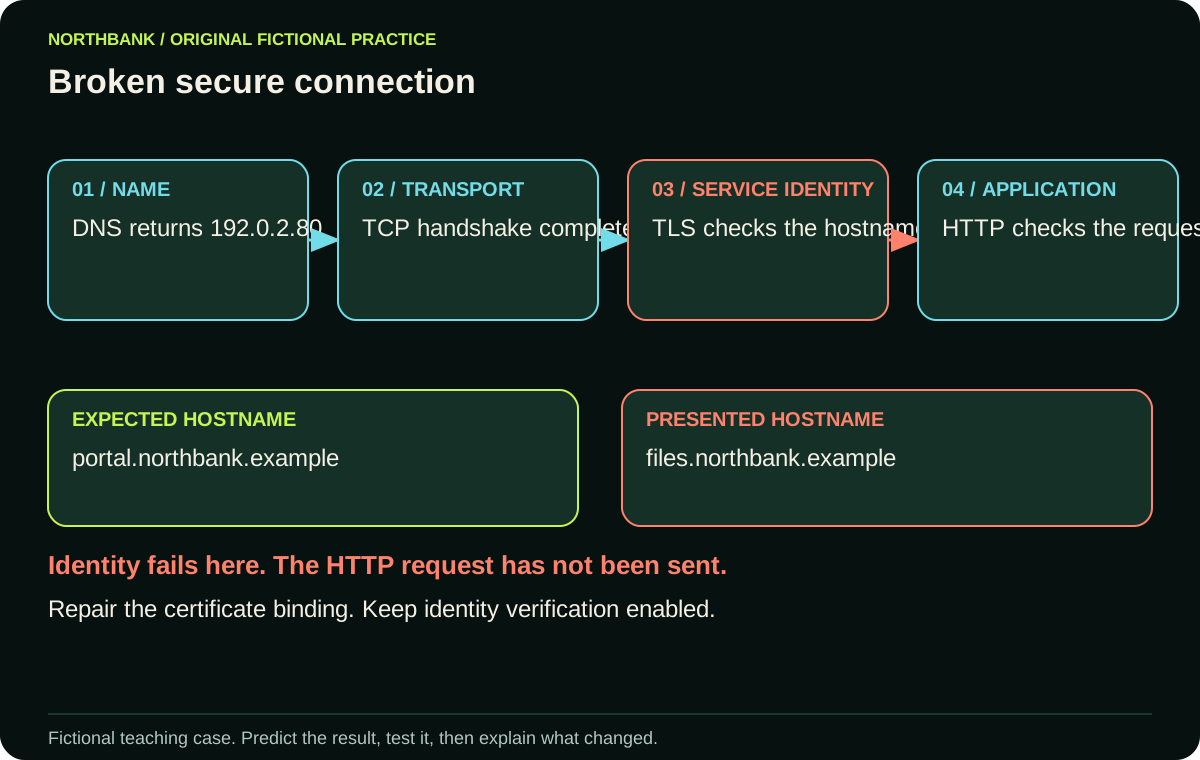
TLS service identity validation fails in the supplied case. The resolver returns the intended address, 192.0.2.80, and the TCP handshake completes on port 443. The client expects portal.northbank.example, but the server presents files.northbank.example. The HTTP request has not been sent.
These facts narrow the task. Replacing the DNS answer despite evidence that it is correct changes a working stage. Opening every port adds access without repairing the mismatched identity. The investigation should use the certificate provisioning or service binding procedure for the intended host.
The names and documentation address are original teaching data. You can solve the worksheet without connecting to any real service.
What does a successful DNS answer establish?
It establishes the selected resolver’s answer to that query under the recorded conditions. It does not establish that the endpoint has a valid certificate or will return an authorised application response.
If you change the case so the resolver returns an unintended server, DNS becomes a relevant repair stage. Keep that changed observation explicit. Do not carry the original conclusion into a case where the decisive evidence has changed.
The commands lesson explains why a plausible address and a successful name answer still leave other questions unresolved.
Why does TCP success leave TLS identity unresolved?
TCP success establishes the observed transport exchange; TLS applies additional security checks and key establishment before application data is sent in this illustrated sequence. Port 443 alone does not establish the intended service identity.
HTTP Semantics, RFC 9110, specifies secure-service identity requirements in the HTTPS context. For this exercise, the displayed wrong hostname fails the stated identity check. Do not disable that check to make the warning disappear.
Have the authorised operator correct the intended host’s certificate provisioning or binding, then retest the name, relevant trust and validity checks. Product-specific configuration governs the actual procedure.
How do I write the repair and retest sequence?
Write the narrow repair first, followed by fresh observations at each relevant stage. The supplied rules already permit the intended transport path. Preserve those boundaries while correcting the certificate identity.
Retest the intended name, endpoint and secure-service checks before judging the application outcome. A successful TLS exchange is a new result, not evidence that every user can read every report. The response sheet asks you to keep the observed facts, interpretation and proposed action separate.
Explain why the two broad alternatives, disabling verification and opening all ports, do not meet this task. Both change protection without resolving the intended identity problem.
What if the next result is HTTP 403?
An HTTP 403 is an application refusal, so investigate that request’s policy and context as a new stage. RFC 9110 defines 403 as the server refusing to fulfil an understood request. The status alone does not disclose every policy detail.
Check the user, action and resource using the user-permissions practical. Correct TLS identity and correct application authorisation can both be necessary. Passing the first does not make the second automatic.
Change only this final outcome in your explanation: earlier DNS, TCP and TLS evidence stays successful while the requested application action is refused. That keeps the troubleshooting decision tied to the current evidence.